
Market Positioning vs. Brand Positioning: Why they’re different and why it matters
When prospective clients ask us about “positioning,” they’re often thinking about competitors, target audiences and the general state of the local market for businesses in their sector. And while this factual or logistical insight provides an essential foothold in understanding the value proposition of any brand, it only begins to define the brand experience.
While we usually work on positioning holistically, it can be helpful to clarify the difference between this research-oriented information gathering with more formative brand conversations—in short: market positioning vs. brand positioning. The former can give you a clear idea of what you’re up against or where the opportunity lies, but only the latter can provide a deeper sense of why you’re building a brand—and why your guest or customer should care.
This distinction also allows us to meet teams where they are, as some of our clients have already done extensive market research before engaging a creative studio. We still typically revisit market positioning with these clients (if only to align all the key stakeholders on a project), but scrappier teams may prefer to lean on their own local expertise (sometimes with an assist from AI) to tackle these earlier stages of concept work.
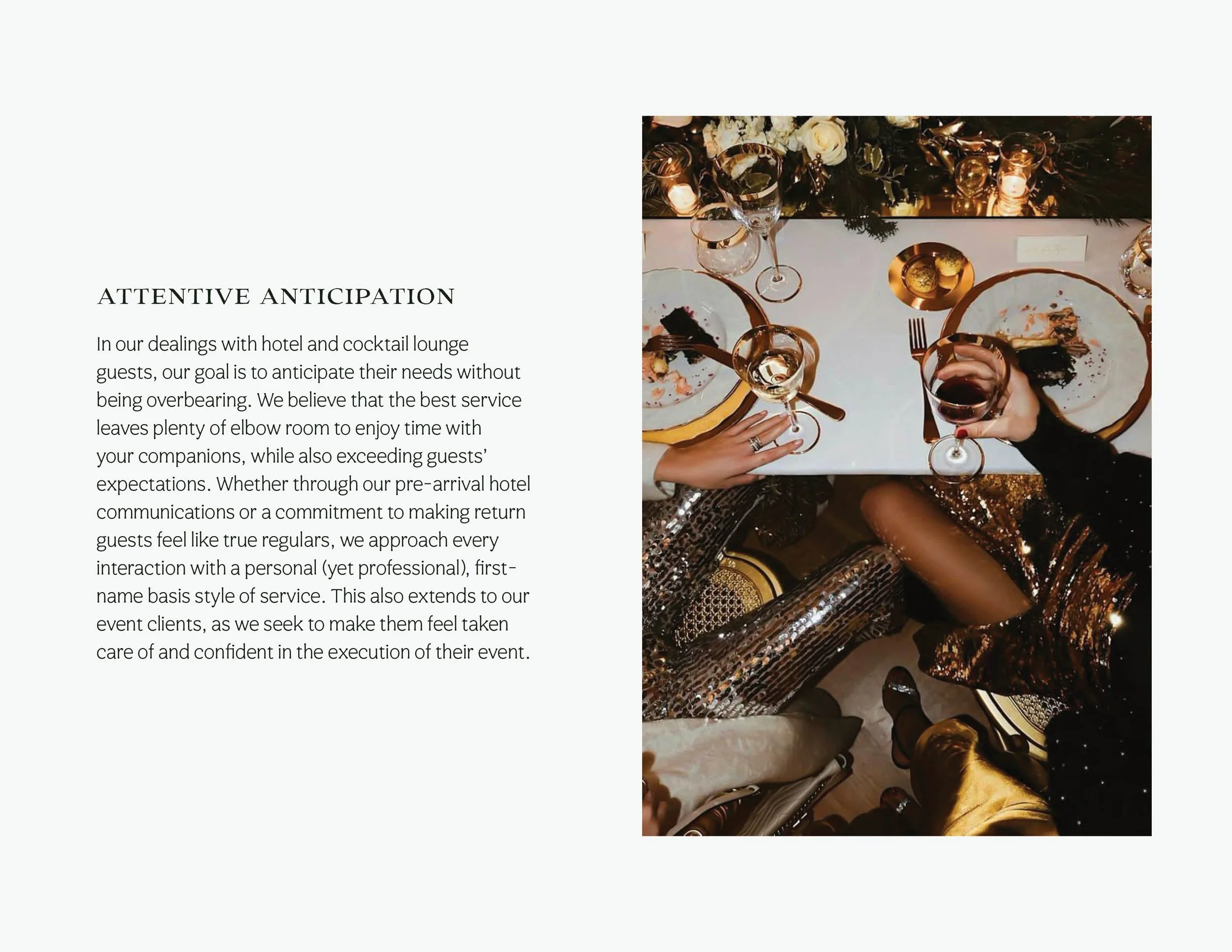
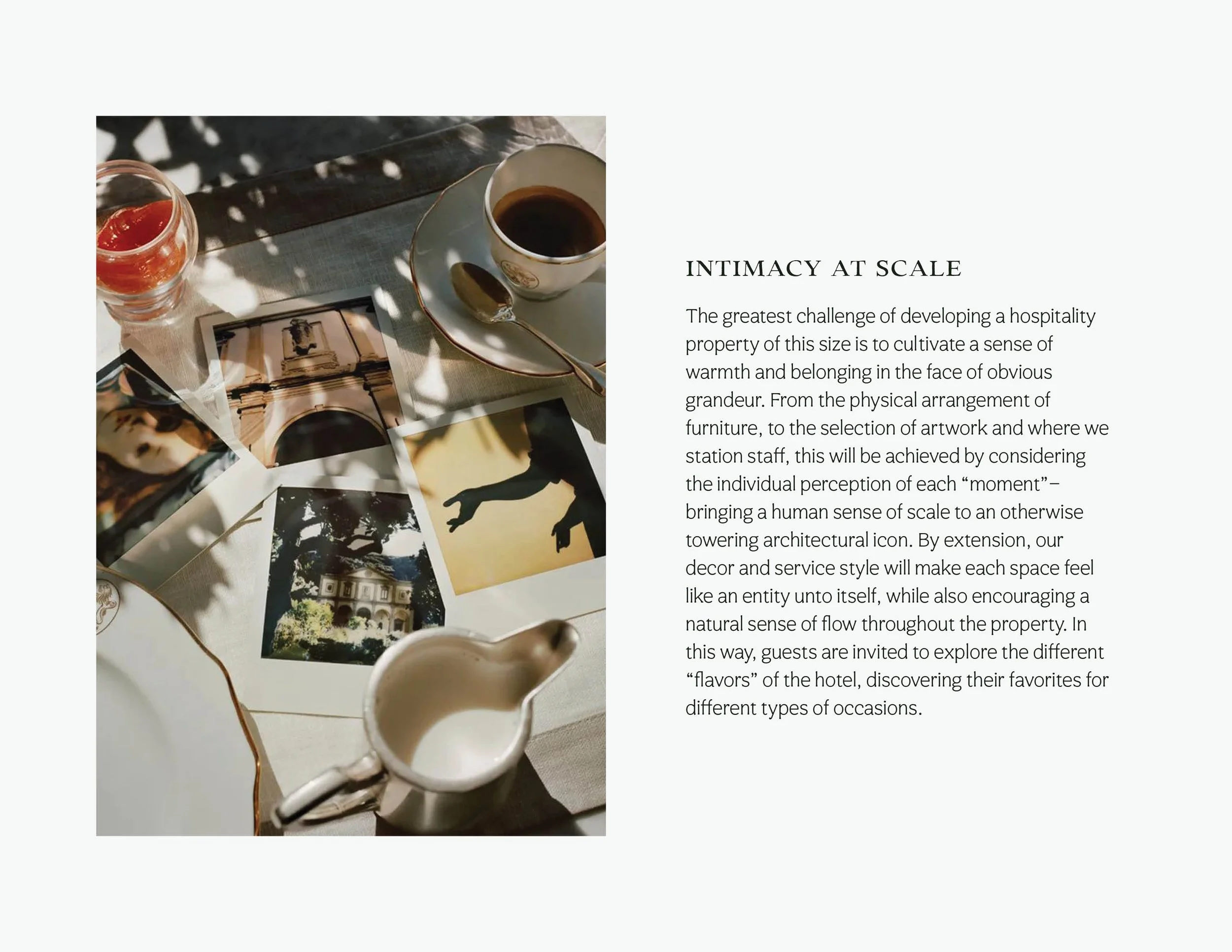
That leaves us at brand positioning: the building blocks of any concept’s storytelling. From developing an underlying narrative, to creating a “muse” that embodies the personality of a property, these internal-facing assets help make your brand experience tangible. Serving as a reference point for all creative and operational decision-making, these foundational elements also help provide a level of depth that informs our brand identity process.
While less-experienced or strictly operations-focused teams may look to speed past these critical conversations, we’ve found them essential to providing an enduring sense of longevity and differentiation in the market. Any business with a good idea can have a successful, novelty-driven launch, but maintaining that upward trajectory (especially when new competitors emerge) requires a much deeper level of intention and strategy.
“Any business with a good idea can have a successful, novelty-driven launch, but maintaining that upward trajectory (especially when new competitors emerge) requires a much deeper level of intention and strategy.”
And this process isn’t just important for hospitality brands. From residential / multifamily communities, to restaurants and design professionals, we’ve supported brand positioning for a wide range of clients who are seeking to clarify what they can uniquely provide their customers or clients.
If this resonates with questions you’ve been struggling to answer about a future or current project, we’d love to chat further.
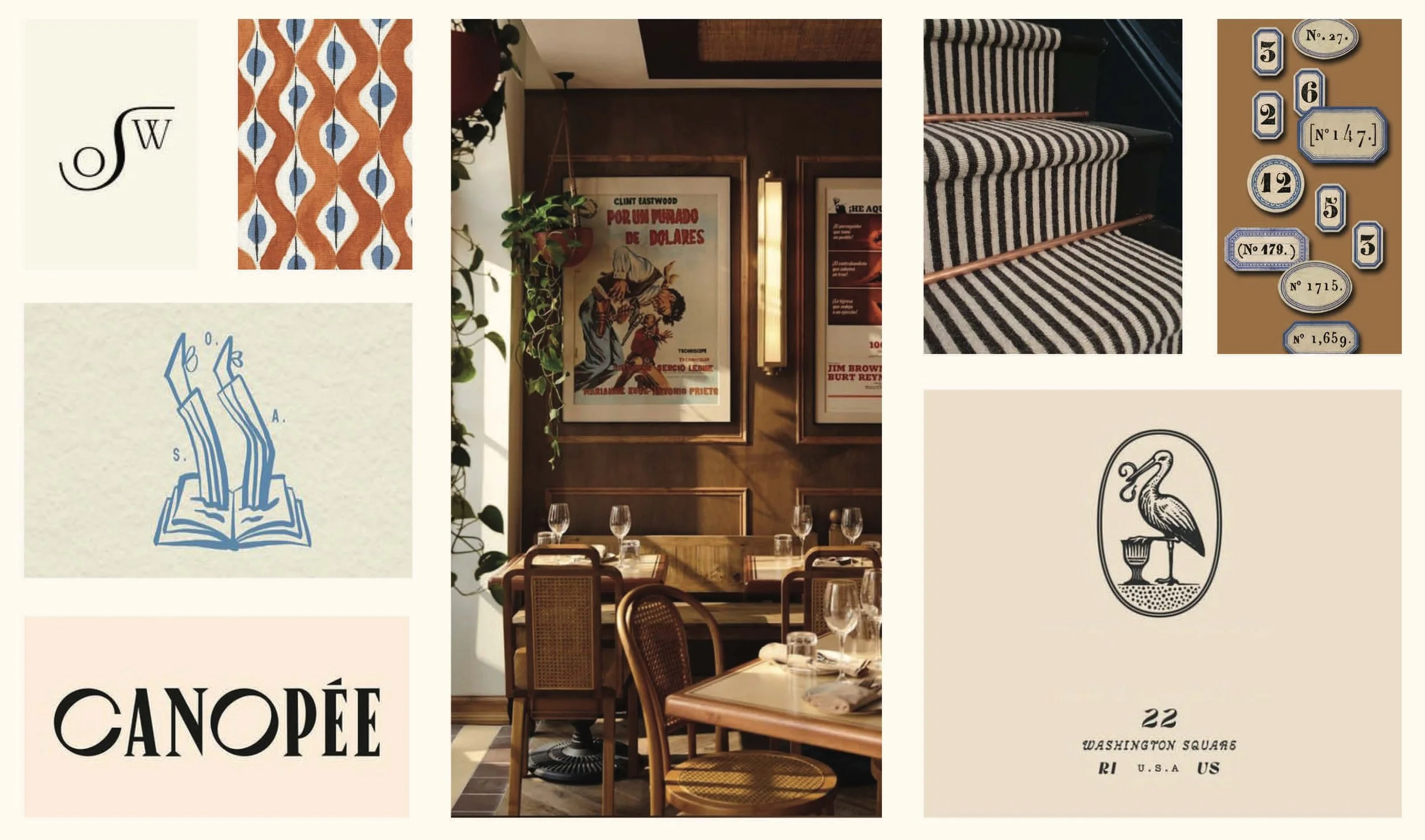
[Mood board images sourced from Pinterest + Cosmos]